
Pay-per-click, or PPC, is a form of online advertising where you only pay when someone clicks your ad.
Rather than paying a flat fee to show your ad to as many people as possible, you pay for the actual visits it drives to your website.
It’s one of the most popular ways for businesses to get in front of the right people at the right moment.
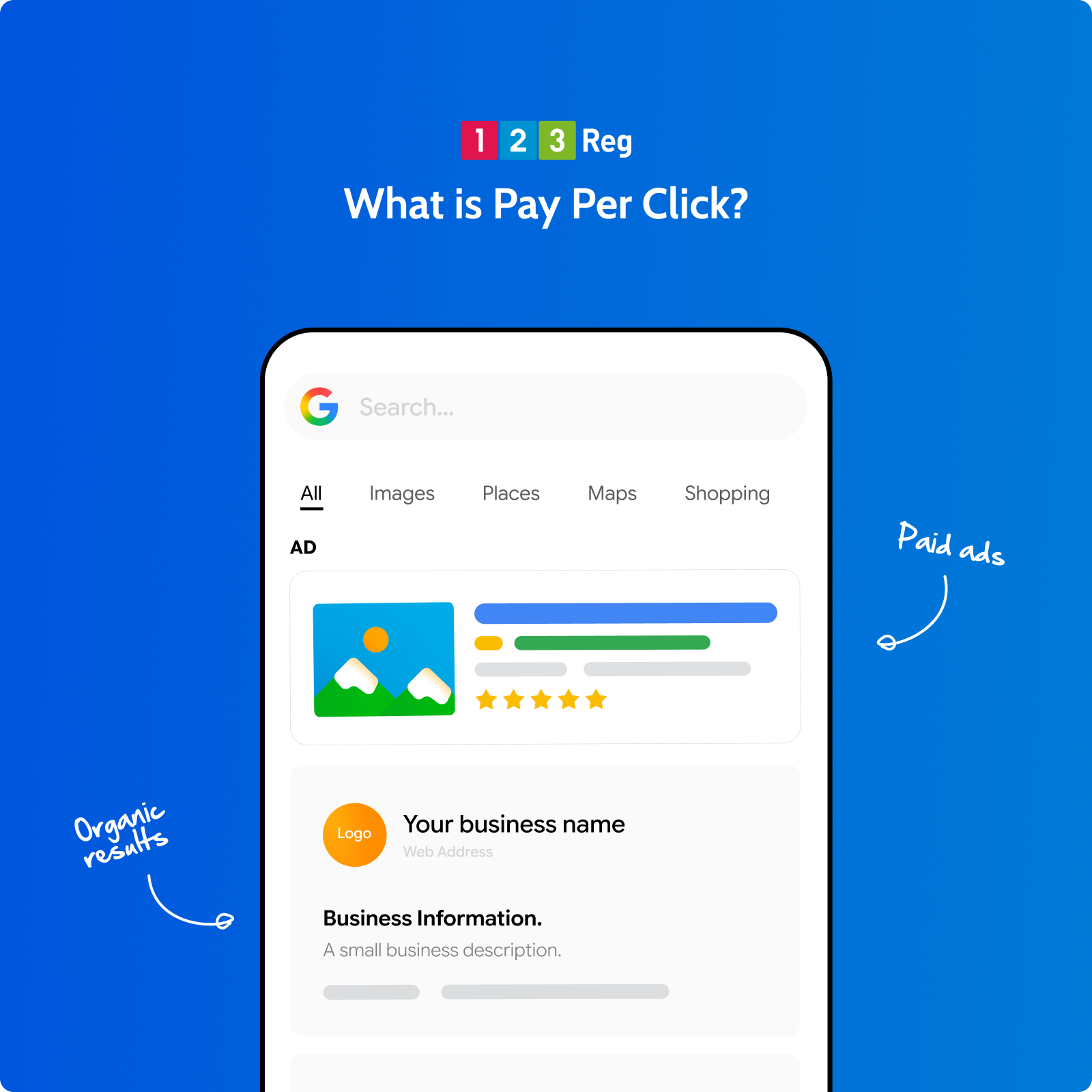
How does PPC work?
At its simplest, you create an ad, set a budget, and choose who you want to see it. You only pay when someone clicks.
Most platforms run on an auction system. When a user searches a keyword or fits a target audience, the platform holds a quick auction to decide which ads to show and in what order. You bid for that placement based on how much you’re willing to pay per click.
But it’s not just about who bids the most. Platforms like Google Ads also take into account the quality and relevance of your ad. A well-written, well-targeted ad from a small business can outperform a bigger competitor with a larger budget if it’s more relevant to what the user is looking for.
Once someone clicks, they land on a page of your choosing: a product page, a landing page, or your homepage. That destination is where a visit either becomes a customer or doesn’t, so it matters just as much as the ad itself.
Where do PPC ads appear?
PPC ads can appear in a number of places depending on the platform you use.
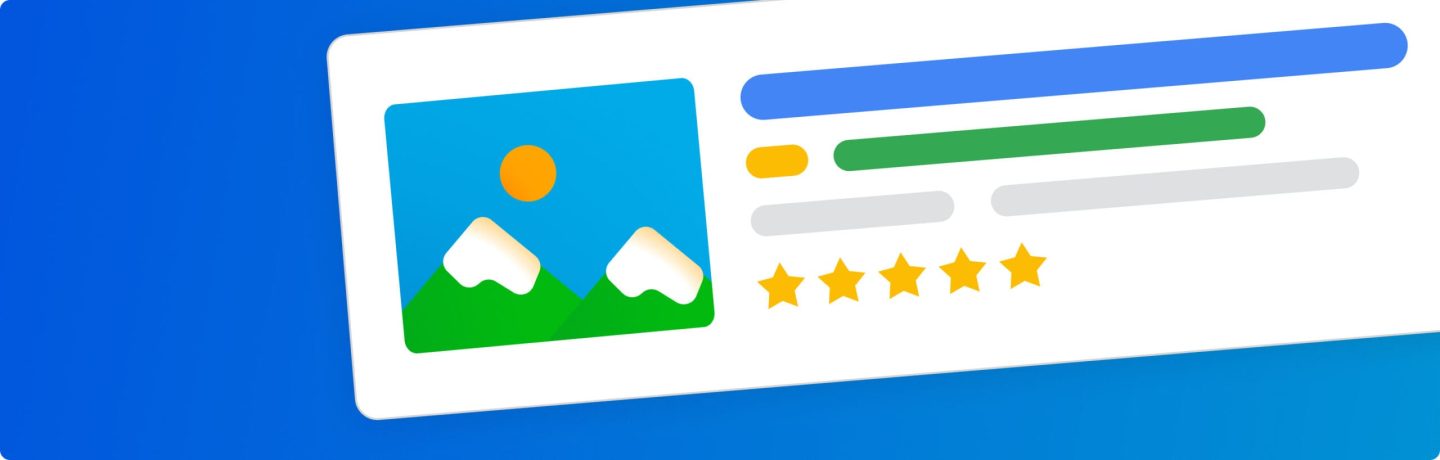
Google Ads shows your ads at the top and bottom of Google search results, as well as across millions of websites and apps through the Google Display Network. Search ads are particularly powerful because they reach people who are already looking for what you offer.
Meta Ads (Facebook and Instagram) work differently. Rather than targeting people based on what they’re searching for, you target them based on who they are: their age, location, interests, and browsing behaviour. This makes Meta a strong choice for building awareness and reaching new audiences.
PPC vs SEM: What’s the difference?
These two terms are often used interchangeably, but they don’t mean quite the same thing.
☐ PPC (Pay-Per-Click) = you pay for ads that appear in search results and across the web. You’re charged each time someone clicks.
☐ SEM (Search Engine Marketing) = a broader term for paid activity across search engines. PPC is the most common one, but SEM can also include other sorts of ads.
Search engines also surface organic results alongside paid ads. These are unpaid, and often driven by the relevance and quality of your content rather than ad spend.
☐ Organic = unpaid search visibility, earned through the quality and relevance of your website and content.
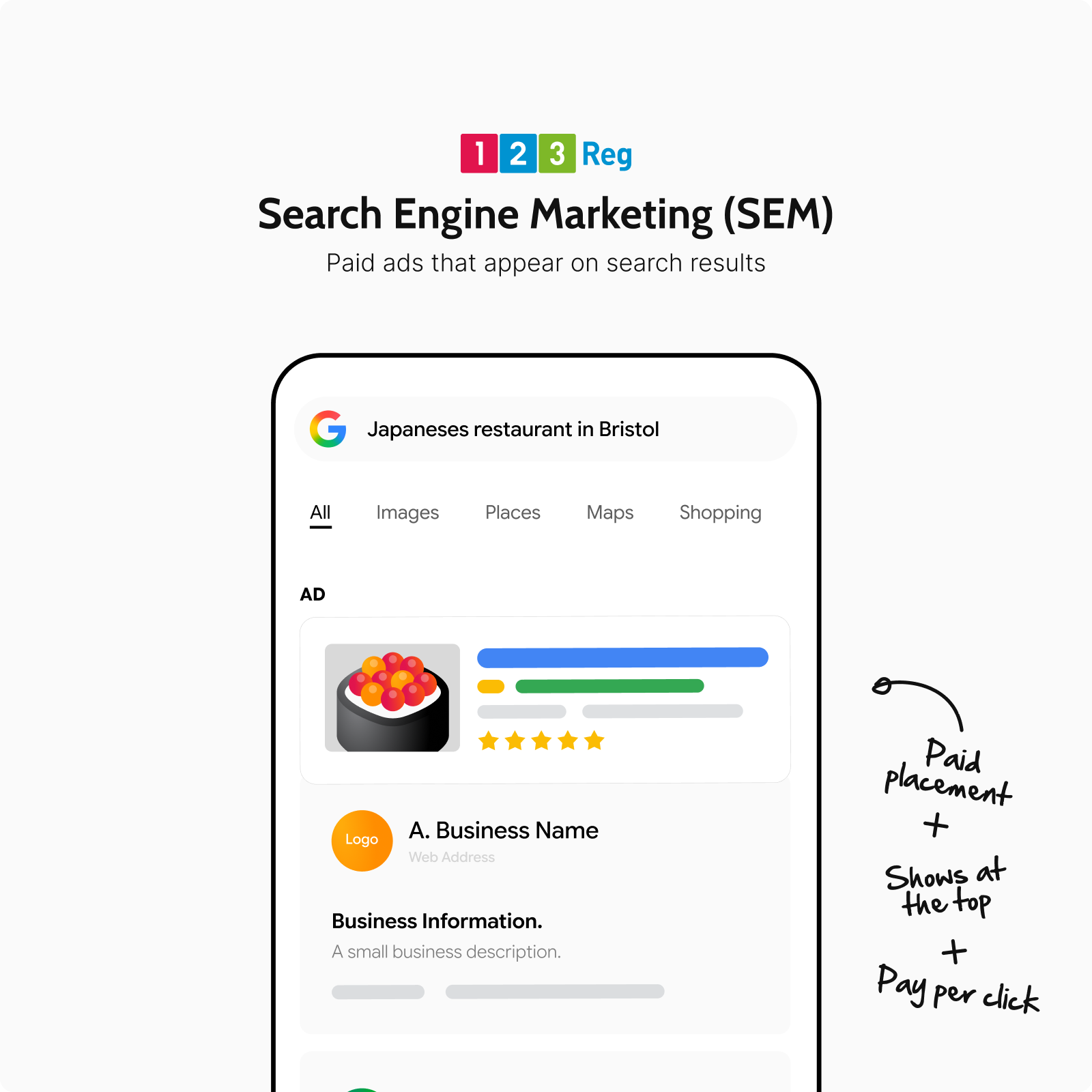
Why PPC works well for small businesses
PPC is especially useful for businesses that want results quickly. Unlike SEO, which can take months to build momentum, a PPC campaign can start driving traffic to your website the same day you launch it.
You also stay in control of your budget. You set a daily or monthly limit, and you can pause, adjust, or stop your campaign at any time. There’s no long-term commitment.
And because you only pay when someone clicks, every pound you spend is tied to an actual visit. That makes it easier to track what’s working and where your money is going.
Getting started with PPC
If you’re new to PPC, the best approach is to start small. Pick one platform, set a modest budget, and focus on a specific goal, whether that’s getting more enquiries, promoting a product, or driving people to a particular page.
From there, you can review what’s working, adjust your targeting, and scale up gradually. Like most things in marketing, it gets easier the more you do it.
For more, check out: How to Get Your Business Found with Google Ads
Making the most of PPC
Running ads is one part of the picture. If someone clicks your ad and lands on a poor website, that click is wasted. 123 Reg Website Builder is a simple way to get your website where it needs to be. You can even get started with a free domain for the first year.