
These days, you can launch a business from your kitchen table with nothing more than a laptop and a few good ideas. You don’t need cash in the bank, expensive gear, or expert tech skills — just a bit of drive and determination to make it happen.
We’ve rounded up 40 simple small business ideas you can start today. From selling products to sharing your expertise or connecting people in your local community, these ideas are flexible, low-cost, and built to fit around real life.
What makes a business… an online business?
An online business is any business that makes money through the internet. Many businesses today run fully online, using a website or app to create, promote, and sell what they offer.
That could be an online store, a marketplace, or digital products — like e-books, courses, or AI images of cats in sunglasses riding skateboards.
Other businesses mostly operate offline but use the web to reach customers or take bookings. A tradesperson might show their work online, or a tour guide could take bookings through a website, even if the work itself happens in person.
The difference? If the internet is where the money comes from, it’s an online business. If it just helps people find or contact you, it’s a business that’s online.
Why start an online business?
Many online business ideas are easy to launch and simple to run from anywhere — perfect for anyone with a solid idea looking for extra cash or a bit of fun. UK e-commerce smashed past £286 billion in 2025, driving nearly 30% of retail sales and making it easier than ever to start small.
You don’t need a pricey shop or stock — you can tap skills like writing or design, work from your sofa or a café, set your own hours, and grow at your own pace. Whether you want to reach people locally or across the world, an online business lets you turn your ideas into something you can be proud of.
| ✓ Low startup costs – No shopfront or huge investments needed to get going. |
| ✓ Use your skills – Turn writing, design, teaching, or organising into a business. |
| ✓ Work anywhere – Run it all from your laptop, at home or on the move. |
| ✓ Your own hours – Choose when and how you work each day. |
| ✓ Grow your way – Start small, scale up when you’re ready. |
| ✓ Local or global – Sell to people nearby or across the world. |
See also: Sole Trader or Limited Company — Which Should You Choose?
What do you need to start an online business?
Getting your own domain name sits at the heart of most online businesses. Even if you plan to sell offfline, it gives you a place to share what you do, helps people find you, and trust when paired with a professional email address.
Easy tools like Website Builder or Managed WordPress Hosting help you get online quickly, without needing technical know-how.
Of course, you can also use existing platforms to get started without a website. Freelancing sites, tutoring platforms, or marketplaces like eBay, Amazon, and Etsy let you sell or offer services while you build things up. We’ll go into more detail on those options as we go along.
With these basics in place, you’re ready to launch and start earning online.
For more, check out: How to Start an Online Business (Without Any Money)
40 Online Business Ideas You Can Try Today
01-19: Ecommerce & Physical Products
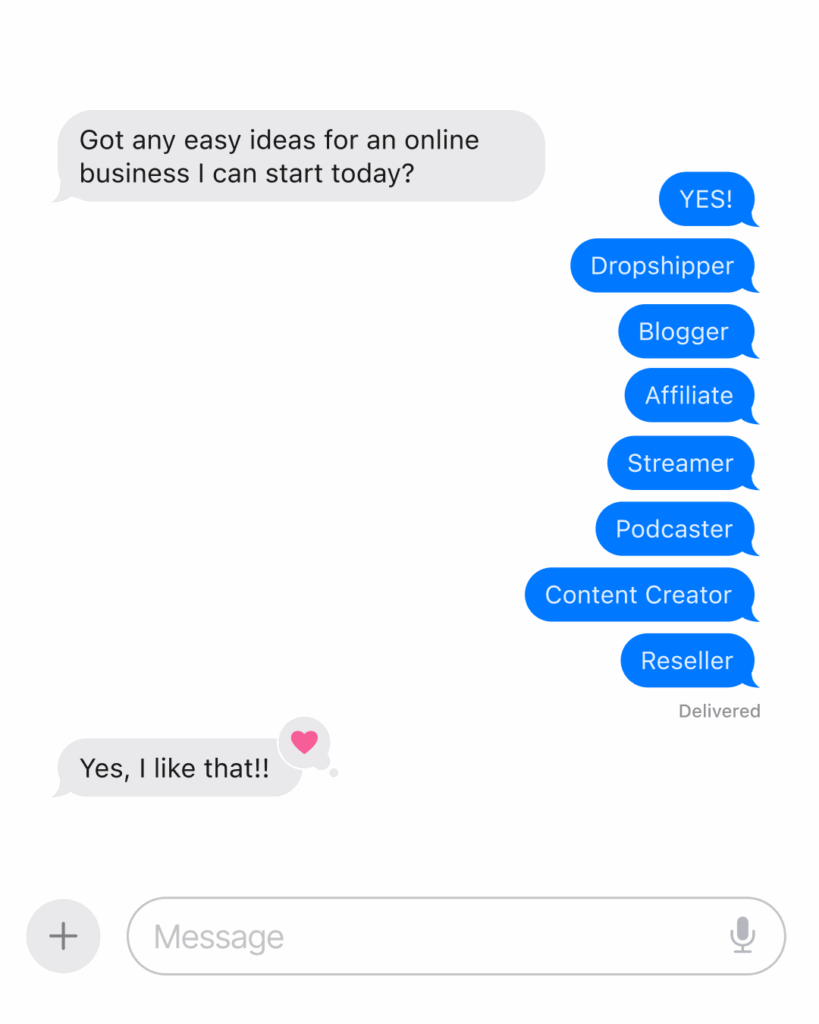
Dropshipping
You list items from suppliers in your online store; they ship directly to customers. This low-risk model lets you test ideas fast, with fashion and personal care leading sales.
The UK dropshipping market reached £14 billion in 2023 and is projected to hit £62 billion by 2030, growing at 23.5% annually. Your potential ticket to side-hustle riches awaits!
| Pros | Cons |
|---|---|
| Low startup costs; no need to hold stock | Less control over shipping and quality |
| Flexible location; run entirely online | Profit margins can be thin |
| Easy to test multiple products | Dependent on supplier reliability |
1. Start your own pet accessories shop
Everyone loves to treat their pets, so a store selling toys, collars, or smart grooming gear can attract loyal buyers. Use dropshipping to cut costs. Your supplier ships straight to the customer, while you focus on sales and branding.
2. Launch a home office gadgets shop
With remote work now a norm, stylish and smart desk tools are big hits. Sell cable tidies, laptop stands, or quirky organisers that help people love their workspace again.
3. Build a fitness accessories brand
Health trends never fade, and affordable gear like resistance bands or yoga mats sells year-round. Try dropshipping seasonal items or influencer-backed products to ride new fitness fads fast.
4. Create a beauty tools niche store
Streamline skincare with curated tools like LED masks, heat brushes, and face rollers. A smaller, focused range helps customers find what they need, and keeps your brand feeling sleek and premium.
5. Open an eco-friendly homeware shop
Tap into the green wave with bamboo utensils, reusable wraps, or zero-waste cleaners. These products attract eco-conscious shoppers and pair perfectly with a sustainable brand story.
6. Sell ‘white label’ perfumes and soaps
Create your own scent brand using ready-made fragrance oils from suppliers. Going the white label route means you only define the brand and customise labels and packaging — then dropship so customers get unique luxury smells without you blending or storing a single bottle.
See also: How to Launch a Dropshipping Business in the UK
Print-on-Demand
Print-on-demand is a way to sell your designs on products. You print the items on demand at home yourself, keeping full control over quality and packaging, or you can use a supplier who prints and ships whenever someone buys (like dropshipping but for designs). Either way, there’s no stock to sit around and it’s ideal for creative types who want to start selling right away.
| Pros | Cons |
|---|---|
| No inventory or upfront stock needed | Lower profit per item |
| Full creative control over designs | Success depends on your marketing |
| Easy to scale with suppliers handling fulfilment | Limited control over shipping times |
7. Create merch for YouTubers and streamers
Fans love to show off their support, so custom t-shirts, hoodies or mugs with a favourite creator’s branding can sell like hotcakes. You design it once, and it’s printed only when someone buys. That’s great for tapping into viral gaming or vlog audiences.
8. Make branded company gifts and team merch
Businesses always seek small gifts or branded items for staff and clients. Mugs, tote bags, or notebooks with logos sell on-demand with zero inventory hassle, ideal for B2B side gigs.
9. Inspire with motivational wall art for home offices
A clever quote on beautifully designed prints brightens workspaces. Upload once, ship on order. hybrid workers snap up these for motivation boosts.
10. Personalise journals and planners
Solopreneurs adore planners with names or unique covers. Custom designs turn everyday tools into special keepsakes, with steady year-round demand.
11. Offer event and community merchandise
Local clubs or online groups crave t-shirts, badges, or banners for meetups. On-demand printing ensures no waste, letting you serve niches like sports teams or fan pages.
Reselling
Buy low, sell higher remains a simple, proven side hustle. The UK’s recommerce market projected to reach £4.8 billion in second-hand fashion this year and growing 10.7% annually. According to PWC, over 2 million active eBay sellers in the UK generate billions in sales, while part-time resellers average £500-£2,000 monthly profit!
| Pros | Cons |
|---|---|
| Low startup costs; items can be found cheaply | Requires sourcing and sometimes storage space |
| Flexible; can start as a side hustle | Competition can be high |
| Can resell almost anything with demand | Profit depends on finding the right items |
12. Flip your finds
Spot bargains at charity shops, thrift stores, or clearance sales, then resell them online. Small furniture, home décor, vintage clothing, or quirky gadgets can all turn a tidy profit. Platforms like eBay, Facebook Marketplace, or Etsy make it easy to reach buyers.
13. Try electronics and gadget resale
Old phones, headphones, or tech accessories can be bought cheaply and sold online to people looking for a bargain. Just make sure everything works and is in good condition.
14. Sell books, games, or media resale
From novels to board games, there’s always someone hunting for a particular title. It’s easy to list items online and watch them find a new home.
15. Flip beauty/cosmetics
Hunt limited-edition trainers or hyped apparel from outlets, apps like StockX, or clearance racks, then flip on eBay or GOAT. High demand from collectors drives 20-50% margins on popular drops, according to Side Hustle Nation.
16. Sell books, games, or media resale
Source unopened makeup, skincare, or hair tools from discount stores like TK Maxx or Boots sales, and list on a sites like Poshmark — a social marketplace for second-hand fashion and beauty where users share listings and negotiate via likes or offers.
Subscription Boxes
Subscription boxes are a fun way to deliver a small bundle of items to customers regularly, often monthly. They’re perfect for people who like surprises or themed collections.
| Pros | Cons |
|---|---|
| Recurring revenue from loyal customers | Requires careful curation of products |
| Fun, themed experience appeals to buyers | Can be time-consuming to manage logistics |
| Easy to start small and scale gradually | Inventory management still needed |
17. Send a snack or treat subscription box
Send a monthly selection of snacks, sweets, or speciality treats straight to people’s doors. Customers love discovering new flavours without having to hunt for them themselves.
18. Curate a productivity or desk essentials box
Little kits of notepads, pens, gadgets, and desk tidbits can brighten up anyone’s workspace. Perfect for solopreneurs or remote workers looking to stay organised.
19. Offer wellness or self-care add-ons
A box of supplements, skincare, or small pampering items makes a simple, feel-good subscription. People enjoy treating themselves regularly, and it’s easy to curate items around a theme.
20-22: Affiliates, Reviews & Ads
You can earn commissions by promoting other people’s products through special links or monetising your content with ads — no inventory or products needed. You simply add affiliate links to blogs or websites, run deal roundups, or display ads and sponsorships once your traffic builds. Best of all, you can set up a professional site in minutes using a tool like Website Builder to get started.
| Pros | Cons |
|---|---|
| Can earn without creating your own product | Income depends on traffic and conversions |
| Flexible; can work from anywhere | Marketing and SEO skills needed |
| Easy to combine with a blog or newsletter | Can take time to build a trustworthy audience |
20. Add affiliate links to your website or blog
Join networks like Amazon Associates, Awin, or ShareASale, then easily embed trackable links across any type of site, whether it’s a blog, resource hub, or review page. Write helpful how-to guides, comparisons, or recommendations for tools, software, or gadgets you love, and earn commissions whenever someone buys through your links. Over time, this creates passive income from evergreen content.
You might even become an affiliate for 123 Reg! Join here.
21. Make money from product reviews
Create a website focused on reviewing products in a specific niche. Include affiliate links so that when visitors buy, you earn a cut. Platforms like Managed WordPress Hosting make this easy to set up.
22. Launch niche deal roundups
If you’re deal-savvy enough to spot discounts on tools, gadgets, or software your audience loves, share them via email or posts. Affiliate links earn commissions each time someone buys through you. Once you have an audience on a blog, newsletter, or YouTube channel, you can also earn through ads or sponsorships. Platforms like Google AdSense, Mediavine, or Patreon help manage revenue without needing to create products yourself.
See also: 2026 Business Trends and Tips Every Owner Should Know

With over 400+ domain endings to choose from, you’re sure to find the perfect fit.
23-26: Courses, Memberships & Tutoring
You can share your skills or knowledge online without needing a physical classroom. Courses and memberships can be hosted on platforms like Teachable, Podia, or WordPress, letting people sign up and learn anytime.
| Pros | Cons |
|---|---|
| Create once, earn repeatedly | Can take time to produce quality content |
| Share skills and knowledge online | Requires marketing to find students |
| Flexible schedule; work from anywhere | May involve platform fees or setup |
23. Teach online courses
Record video lessons, guides, or resources once, then sell access via platforms. Learners go at their pace while you earn repeatedly.
24. Run membership programmes
Provide exclusive content, communities, or updates via Patreon or Memberful. Recurring subs build steady income and loyal fans.
25. Get into tutoring or life coaching
Offer sessions on Zoom with Calendly bookings. Charge per hour or packages, that can work well for marketing tips or hobby skills.
26. Host live Q&A sessions
Run paid Zoom advice calls on your niche, like copywriting or SEO. Ticketed events on Meetup.com draw crowds for fast, repeatable cash.
27-31: Digital & Creative Products
Digital products let you create once and sell repeatedly. They’re ideal for solopreneurs because there’s no inventory or shipping involved.
| Pros | Cons |
|---|---|
| Create once, sell repeatedly | Competitive market |
| No inventory or shipping | Success relies on marketing |
| Flexible for creative work | May require design skills or software |
27. Curate recipe or meal-planning bundles
Create digital cookbooks or weekly meal plans delivered as PDFs. Customers can download, print, or view them on any device.
28. Craft canva templates
Design social posts, presentations, or documents others can customise. Sell ready-to-use templates as instant downloads.
Stock & creative assets
29. Offer stock photography or graphics
Sell royalty-free images or illustrations for websites, marketing, or social media through platforms like Creative Market or your own site.
30. Produce music loops and sound effects
Create audio for podcasts, videos, or games. Buyers download and reuse them in their own projects.
31. Provide video editing presets and templates
Offer ready-made effects, transitions, or templates that help creators save time when editing videos.
32-35 Content & Influencer
Blogging & newsletters
Start a blog or newsletter and share content your audience genuinely cares about. Writing helpful guides, stories, or tips keeps readers coming back and builds long-term value.
| Pros | Cons |
|---|---|
| Create once, earn repeatedly | Can take time to produce quality content |
| Share skills and knowledge online | Requires marketing to find students |
| Flexible schedule; work from anywhere | May involve platform fees or setup |
32. Professional blogging
Combine affiliate links, ads, sponsorships, and paid content into one income stream. This works well when you focus on a clear niche and publish regularly.
Podcast & video
Video is a great way to share your ideas or expertise in a personal, engaging way. Over time, you can build a loyal audience and monetise through several channels.
| Pros | Cons |
|---|---|
| Engaging and personal format | Requires time and consistency |
| Multiple monetisation options | Some equipment needed |
| Builds community and loyalty | Growth can be slow at first |
33. Start a podcast
Record discussions, interviews, or tips and distribute through platforms like Spotify or Apple Podcasts. Monetise with sponsorships or memberships.
34. Start a niche YouTube channel
Create videos around a hobby, interest, or skill. Earn through ads, affiliate links, or selling your own products.
35. Educational or story-based video series
Teach skills or tell stories through structured video content. Pair videos with courses or memberships for extra income.
36-40: Local-First & Community-Led Experiences
You don’t need a global audience to make money online. Many thriving small businesses use the web to reach nearby customers, grow community connections, and keep local pounds local.
| Pros | Cons |
|---|---|
| Engaging and personal format | Requires time and consistency |
| Multiple monetisation options | Some equipment needed |
| Builds community and loyalty | Growth can be slow at first |
Local-first online business
36. Run and promote a local-first shop
Sell gifts, crafts, or food to nearby customers and boost your reach online. Use a simple website or marketplace to take orders, offer delivery or click-and-collect, and build loyalty through local listings or reviews.
37. Create a neighbourhood marketplace
Build an online hub where local makers, tutors, or trades promote their work. Earn through small listing fees or commissions while helping your area connect, trade, and shop local.
Community experiences
38. Offer local tours and experiences
Share your knowledge or skills with online or in-person sessions like virtual tours, hobby classes, or interest-based meetups. Promote your sessions on platforms like Facebook or Meetup.com to reach people already looking for things to join. You can share event details, manage tickets, and connect with attendees to build a following.
39. Host paid workshops or meetups
Run workshops, book clubs, or skill-based sessions that people can join for a small fee. Tickets or passes give you a steady income and keep participants coming back.
40. Launch a membership community
Set up a members-only hub with forums, live chats, or special perks for people who share your interests. A small monthly subscription can bring in steady income while building a loyal audience.
See also: A 123 Reg Guide to Starting an Online Business
Wrap up
Starting an online business has never been simpler or more open to all. With so many ways to earn, share, and grow, there’s never been a better time to get started. Pick one idea, give it a go, and see where your next big move takes you.