

Creating a website and getting it online used to be difficult. You had to register a domain name, buy a web hosting package, and code your site from scratch.
But things are different now. Modern website builders mean anyone can get a site up and running without knowing how to code. They also come with a wide range of other features, which can help take a website to the next level.
This guide will show you how you can do more with our Website Builder and it could even increase your chances of achieving success online.
Here are eight things you didn’t know you could do with the 123 Reg Website Builder.
1. Get a great-looking website up and running on your lunch break
It’s hard to imagine that your first or new website could be online and welcoming visitors today, right? Well, it could.
Creating a website is no longer a monumental task that’s time-consuming, expensive or only possible if you know code or have technical skills. With 123 Reg’s Website Builder, you can get your website up and running on your lunch break.
Plus, you don’t need to worry about extra steps like buying a domain, hosting, or an SSL certificate to keep your site, UK visitors and global visitors safe and secure. It’s all part of your package, including a vast collection of design templates created with businesses like yours in mind.
2. Provide a great user experience on all devices
There’s nothing worse than visiting a website on your smartphone or tablet and not being able to view all the content, find the menu, or navigate to other parts of the site. Having a website that doesn’t display and work properly on all devices can frustrate and drive visitors away to the point they never want to come back.
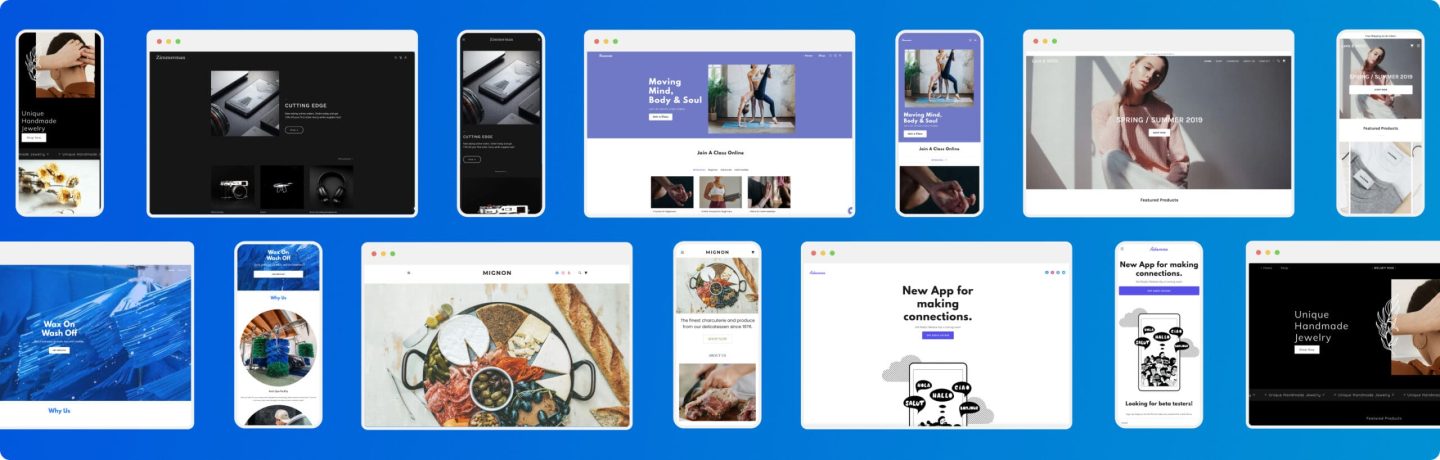
Fortunately, with our Website Builder, this is one less thing to worry about. That’s because any template you choose from our collection not only looks great but also works properly on all devices: phones, tablets, laptops, and desktops. So you can rest assured your visitors and potential customers will have a smooth experience, no matter the device they’re using to browse through your site.
3. Stay up to date with how well your website is doing
How many people are visiting your website? And are they coming from search engines like Google, social media channels like Instagram, or other sites, groups, and forums?
With 123 Reg’s Website Builder, you can see how well your site is performing right in your dashboard. You can quickly learn if you’re doing a good job at drawing visitors in, or if you need to invest some time and effort in other ways to promote your site and bring more people in.
4. Build trust with a personalised email address
Building trust online starts with small things like a must-have professional email address. In fact, did you know that 83% of global consumers still prefer email to communicate with businesses?
So, whether you’re a business owner, a professional taking the first steps to build a brand, or a job-seeker looking for new opportunities, you need an email address that tells the world you’re serious about what you do. Fortunately, the Website Builder comes with a free email address that you can personalise to your domain name.
Add it to your website and encourage prospects and customers to reach out to you if they have questions, concerns, or if they need more information about how you can help. It’s a simple yet effective way to reassure visitors they’re dealing with a real business.
Learn more about the benefits of a professional email address, and the impact it can have on your business.
5. Use social proof to sell more
Nothing builds trust and entices prospects to buy from you like reviews and testimonials from previous customers. In many cases, it can make the difference between a visitor leaving your site in seconds and one buying from you a minute later because of a customer testimonial they just read.
The good news is that with Website Builder Pro you can integrate and display Yelp reviews on your site for visitors to read. This saves them the time they’d spend researching your business while increasing the chances they’ll buy from you.
6. Get the WhatsApp widget
The WhatsApp widget for the 123 Reg Website Builder is a great way to connect with visitors directly. With this widget on your own website, you can connect to customers instantly, whether that’s offering support, responding to queries, or simply chatting with your visitors. The widget is simple to set up and matches well with your site’s design — sure to look great on both desktop and mobile. Colours, fonts, spacing, and anything else you like can be changed! You can even update the chat background to suit your brand image.
7. Make it easy for anyone to book an appointment with you
If you regularly take appointments for your online business, you’ll need a simple way to allow people to book with you. With the Website Builder, you can add a Google Calendar on your site and let people choose the time slot that’s most convenient for them.
This will make your life so much easier. Prospects will know exactly what your availability is like and select a time that works best for them, and you’ll get notified the moment they book an appointment with you.
8. Sell your products online
Selling products online has never been easier or more affordable. With Online Shop from 123 Reg, you can build and get your ecommerce website up and running just as easily as a website. Depending on your needs and the size of your store, you can choose between three Online Shop packages to sell your products online.
You’ll get all the useful features included in the Website Builder and many others that are designed to help you sell more online like discount codes, shipping rates, and stock control.
See also: Portfolio Websites for Creatives
Wrapping up
Have an idea that you want to turn into an online business? Or want to improve your website so it looks great and works properly on all devices? Take advantage of 123 Reg’s Website Builder to create a fully functional website that’ll help you to build trust, stand out online, and achieve success long-term.